
“I feel stiff” is useful information. It tells the therapist something about your present experience, but it does not dictate one type of massage or one pressure level.
People often arrive at a false choice: tolerate an intense session or accept that nothing meaningful can be done. Massage does not have to be punishing to be attentive. The therapist can work with pace, positioning, pressure and the amount of time spent in an area without turning the appointment into a test.

Start with what “stiff” means to you
Stiffness can describe many sensations. You may feel slow when turning your head, reluctant to reach overhead, tired through the back after sitting, or generally restricted after travel. It may be recent or familiar. It may also sit alongside pain, weakness, swelling, numbness or other symptoms that need a different kind of attention.
A massage therapist does not need to diagnose the cause in order to ask sensible questions.
Where do you notice it?
When did it start?
Is there a recent injury or procedure?
Which positions are comfortable?
Are there symptoms that are severe, worsening, unexplained, or concerning?
Those last situations should not be pushed through. Massage should not postpone appropriate clinical care. The consultation aims to understand whether a session appears suitable and how to approach it within scope.
Intensity is not the same as attention
An attentive session can use moderate or light pressure. It can move slowly enough for the client to notice what feels comfortable. It can spend time around an area without repeatedly forcing the most sensitive point.
More pressure is not automatically appropriate; pressure should be adjusted to the client, technique, area and response during the session. NCCIH reports that harmful effects from massage appear uncommon, but rare serious events have occurred, including in some vigorous massage cases and among people at higher risk of injury. Your therapist needs relevant health information, and your feedback should shape the work.
If you do not want an intense massage, say so plainly. “I want the session to feel useful but not forceful” is a clear request. You can also describe pressure on a simple scale or compare it with previous experiences.
Session options can feel different
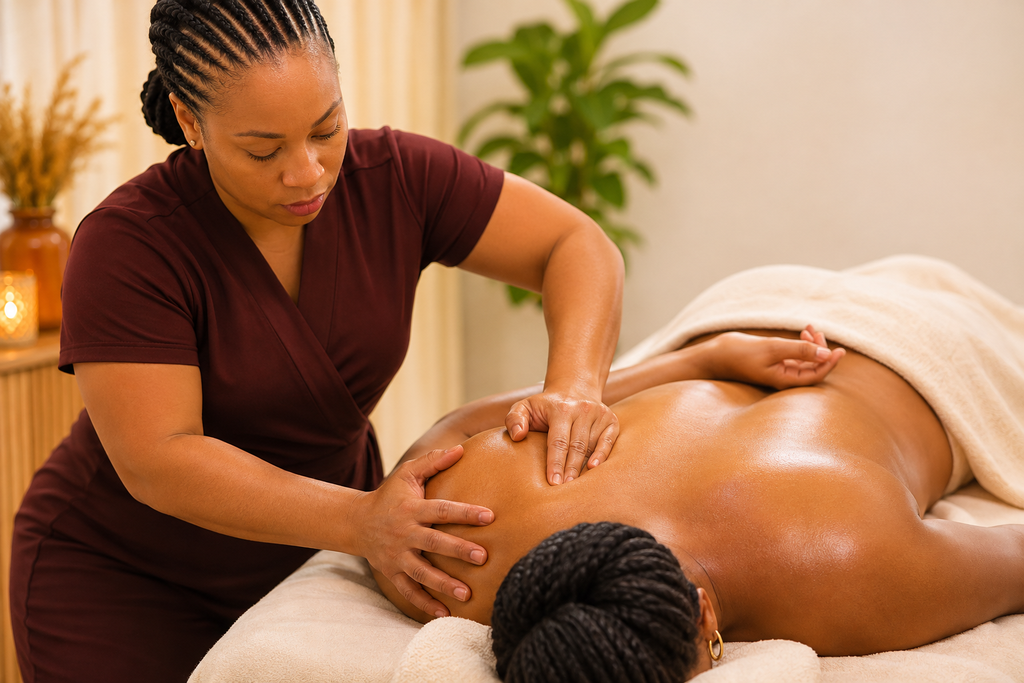
Swedish Relaxation may be a suitable place to start when the main preference is an unhurried table massage without very focused deep pressure. The current Loving Hands service is 60 minutes at ₦50,000.
Thai Yoga Massage is generally associated with supported positions, compression and assisted movement. The exact Loving Hands setup, clothing and movement expectations should be confirmed before booking. It is not automatically gentle or suitable for every person or limitation.
Stress Relief provides 90 minutes at ₦70,000 for a longer, rest-centred appointment. Extra time does not require extra force. It may simply allow a steadier pace, position changes without rushing, and attention to more than one area.
The service name is only a starting point. The therapist still needs to review your preferences and relevant concerns.
Comfort can be adjusted during the appointment
You do not have to choose one pressure and keep it for the whole body. The shoulders may tolerate a firmer contact than the lower back. One side may feel different from the other. Pressure that felt comfortable at the start may become tiring.
Positioning matters too. Pillows, bolsters or side-lying work may be considered when appropriate. If lying face down is uncomfortable, say so before the session rather than hoping you can endure it. Suitability and available adaptations need review; they should not be assumed from an online request.
Useful feedback is short: “less there,” “that angle does not feel right,” “please slow down,” or “I would like to stay in this position.” The therapist may ask follow-up questions and change the plan.
What to do before requesting a session
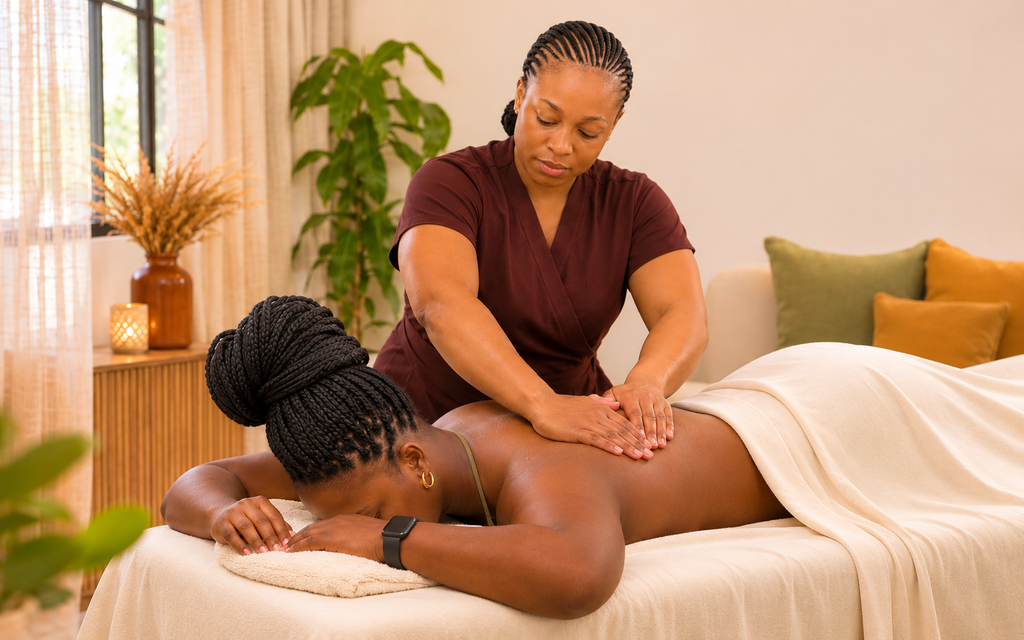
Write down the two or three things that matter most. For example: where you feel stiff, what pressure you do not want, and any position that is difficult. Add relevant health information even if you are unsure whether it matters. The therapist should review it than for you to decide alone that it is unimportant.
For a mobile session, also consider the space. Loving Hands works at agreed homes, hotels, and offices in Abuja. The location needs enough room for safe setup and must be reviewed before confirmation.
Submitting the form at /book/ sends an appointment request, not a confirmed booking. Loving Hands checks location, suitability, and therapist availability before providing direct payment instructions. The appointment becomes final only after verified payment and written confirmation. If you want help selecting a less intense format, use /contact/ first.
Frequently asked questions
Do I need deep tissue massage because I feel stiff?
No. Stiffness does not automatically require deep pressure. The best starting point depends on your preferences, symptoms, positioning, and suitability.
Can massage pressure change during the session?
Yes. Pressure can vary by area and can be reduced or changed whenever it becomes uncomfortable.
Which Loving Hands service may suit someone seeking an unhurried table massage?
Swedish Relaxation may be a useful starting point for an unhurried table massage, but suitability and pressure still need individual discussion.
When should I seek clinical care instead?
Seek appropriate care for severe, worsening, unexplained, or concerning symptoms rather than trying to push through them in a massage.
Related reading
- Choosing a Massage Session for Your Recovery or Relaxation Goals
- Services
- What to Expect from a Mobile Massage Appointment in Abuja