
The name “Stress Relief Massage” can sound as if a therapist will remove stress in one appointment. That is not the claim. Stress has many sources, and massage does not solve workload, grief, conflict, sleep problems, financial pressure, or a health condition.
Loving Hands describes this service more narrowly: a protected appointment planned around a slower pace, agreed pressure, clear boundaries, and attention to the areas you request. Loving Hands Stress Relief is a 90-minute mobile massage service priced at ₦70,000.
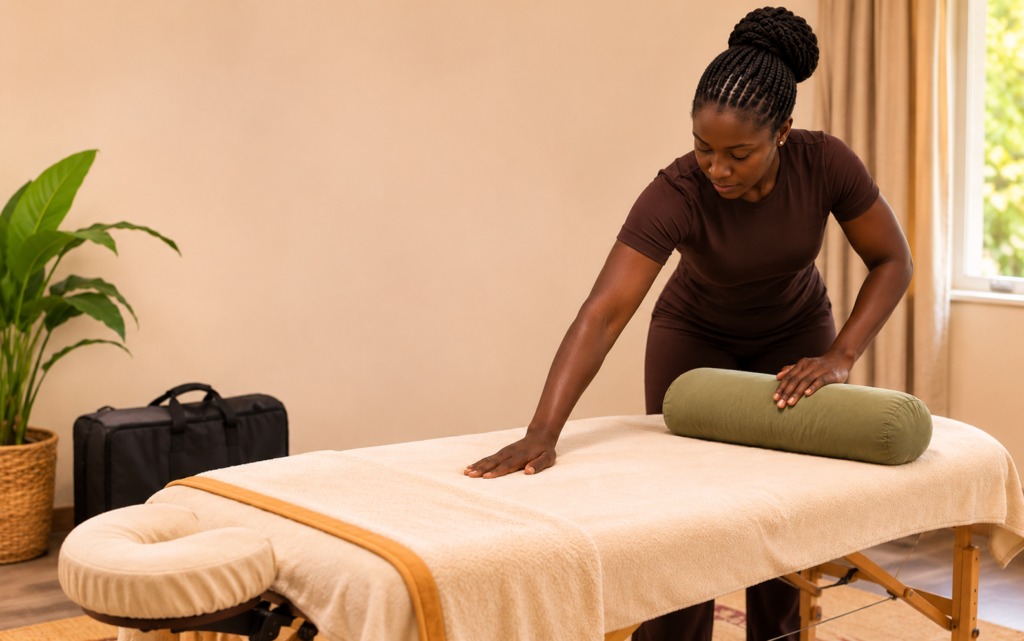
It begins with a short consultation
Before the hands-on work, the therapist needs to know what you want from the appointment. Some clients want general relaxation. Others mention tired feet after long days, a back that feels worked from sitting, or shoulders that seem to stay lifted.
The conversation should also cover pressure preference, areas to avoid, comfortable positions, and relevant health information. Pregnancy, recent procedures, injuries, medication, diagnosed conditions, and new or unusual symptoms may affect the plan or whether massage is suitable.
Massage should not replace clinical care. If symptoms are severe, worsening, unexplained, or concerning, seek an appropriate health professional rather than using a relaxation appointment to delay assessment.
Ninety minutes changes the pace
A 90-minute session is not simply a 60-minute massage stretched out. The additional time can reduce the need to hurry between areas. It may allow a quieter beginning, easier position changes, and a more gradual finish.
The therapist and client still need priorities. Trying to give equal attention to every part of the body can make a longer session feel scattered. It is often more useful to name one or two main preferences and let the rest of the plan support them.
Longer does not mean stronger. Pressure should fit the client’s preference and the area being worked on. The session may include lighter, moderate, or firmer contact within a comfortable range. The client should not be expected to tolerate pain for the session to feel worthwhile.
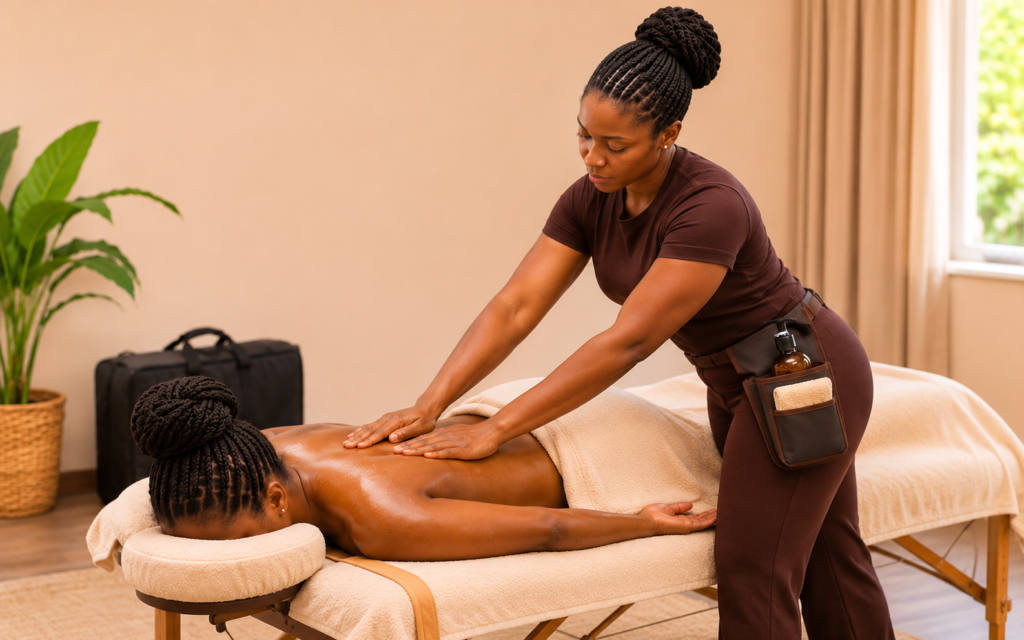
The atmosphere is practical, not theatrical
Stress relief does not require a perfect spa scene. Loving Hands is a mobile service for agreed homes, hotels and offices in Abuja. A workable room, privacy, enough space for the therapist and fewer interruptions matter more than decorative details.
You can help by choosing a room where the temperature is manageable, arranging access, reducing clutter and putting your phone on silent if that is safe for you. If you are at an office, think about what privacy is available and whether colleagues are likely to interrupt.
Music can be discussed. So can conversation. Some clients want quiet, while others settle more easily with a little conversation at the start. Neither choice is more correct. The therapist will still need to communicate about comfort, pressure and position.
Relaxation is not something you have to perform
You do not need to empty your mind, breathe in a special pattern or fall asleep. Relaxation techniques often use breathing and focused attention, but NCCIH notes that evidence for specific health conditions is limited and that such techniques should not replace conventional care.
During a massage, ordinary breathing is fine. If your mind stays busy, you have not failed the session. You can bring attention back to simple information: whether the pressure feels comfortable, whether you feel supported and whether an area needs to be avoided.
The therapist should not promise to “release toxins” or guarantee sleep, calm or pain relief. A responsible description stays close to what the appointment includes rather than predicting a result.
Boundaries remain part of a restful session
Clear boundaries do not make the experience clinical or cold. They help the client settle because there is less uncertainty. The therapist should explain enough for you to know how draping, positioning and requested areas will be handled.
You can decline any area or technique. You can ask for more coverage, a position change, less pressure or a pause. Consent is active throughout the session, not collected once at the door.
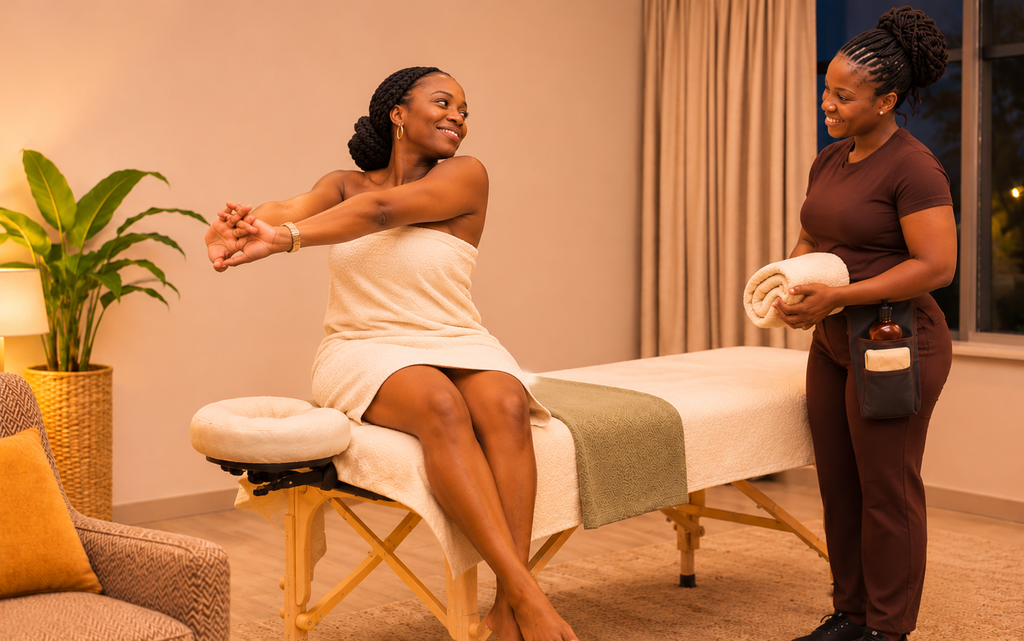
After the massage
If possible, avoid scheduling the end of the appointment at the exact moment you need to leave or join a call. A small buffer lets you stand slowly, dress without rushing and return to your day deliberately.
There is no required outcome. You may feel rested, unchanged, sleepy, alert or simply glad that you kept the appointment. If a symptom persists or concerns you, seek appropriate clinical advice rather than repeatedly increasing massage pressure.
Submitting /book/ sends a request only. Loving Hands reviews the location, suitability and therapist availability before direct payment instructions are given. The appointment is final after payment is verified and written confirmation is sent. Use /contact/ if you want to discuss whether Stress Relief or another service better fits your preferences.
Frequently asked questions
How long is Loving Hands Stress Relief Massage?
It is a 90-minute mobile massage service priced at ₦70,000.
Is Stress Relief Massage always light pressure?
No. Pressure can be discussed and adjusted, but the session should remain within a comfortable and appropriate range.
Does the massage guarantee that I will feel calm or sleep better?
No. Loving Hands does not guarantee outcomes. The service provides a longer, rest-centred appointment rather than a promised result.
Can I book it at an office?
You may request an agreed office location, but access, space, suitability and therapist availability must be reviewed before confirmation.
Related reading
- How to Prepare Your Home or Hotel Room for a Massage
- Choosing a Massage Session for Your Recovery or Relaxation Goals
- What to Expect from a Mobile Massage Appointment in Abuja
Sources
- https://www.nhs.uk/mental-health/feelings-symptoms-behaviours/feelings-and-symptoms/stress
- https://www.cmto.com/rules/standard-of-practice-patient-centred-care/
- https://www.cmto.com/rules/standard-of-practice-collecting-personal-health-information-from-patients
- https://www.cmto.com/rules/standard-of-practice-consent/